
Accelerate your product design from concept to consumer.
Leverage industrial-grade 3D technologies for product design. Stop waiting for outsourced prototypes and start turning months of iteration into days of innovation with the Thinglab ecosystem.

Complexity Without Cost
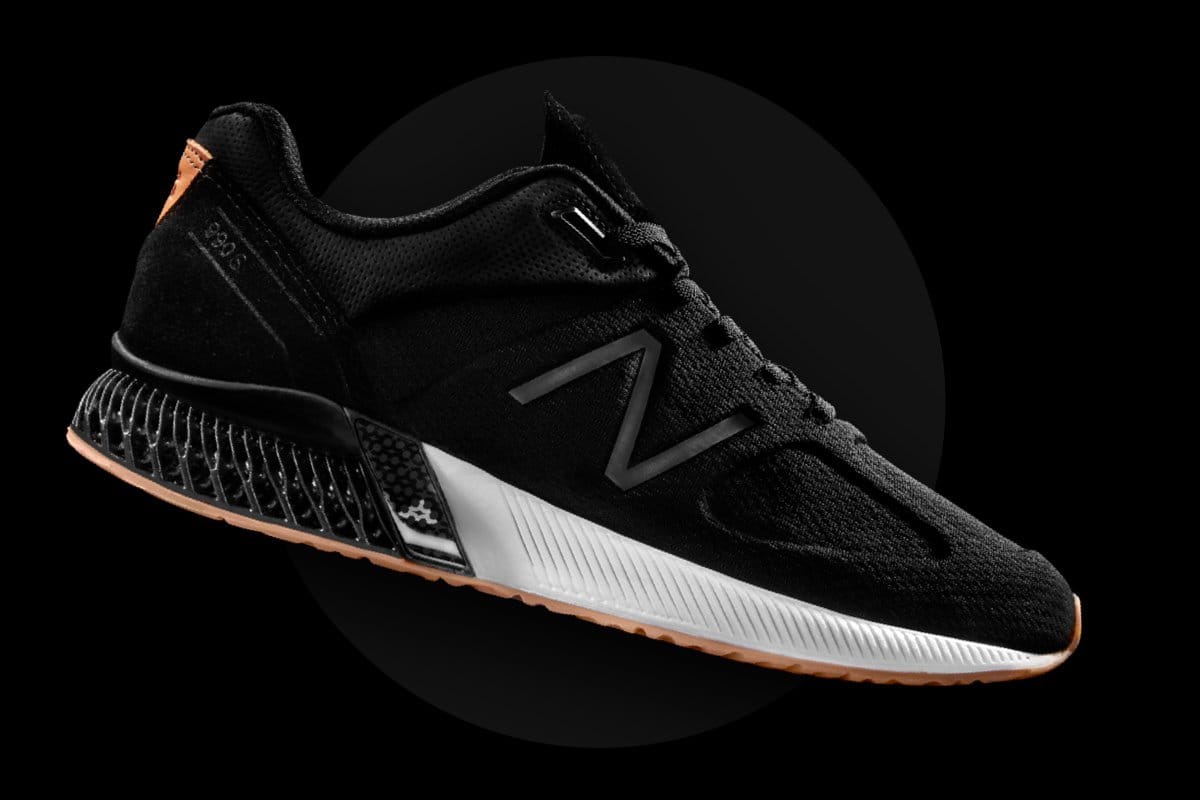
Internal lattices, organic curves, and integrated assemblies. 3D printing removes the “Design for Manufacture” (DFM) barriers of traditional tooling.

Hyper-Rapid Iteration
With the high speed SLA and FFF printers, prototypes are ready by morning. Test on Tuesday, refine on Wednesday, and ship a finalised design by Friday.

Production-Grade Materials
Move beyond “look-alikes.” Our resins and filaments are engineered to match the mechanical properties of injection-molded plastics.

Advanced solutions for product design
The Complete Additive Workflow
A print is only as good as its finish. Thinglab supports the entire ecosystem to ensure your prints can be used as finished products.

Automated Post-Processing
Advanced 3D Materials Library
Software Optimisation
Quick material overview
The biggest mistake in product design is using the wrong material for the testing stage. Use our matrix to find the perfect mechanical match.

Visual & Concept
- Draft Resin
4x speed increase for initial form studies. - Clear Resin
Optically clear for lenses and light pipes. - Grey Resin
Ultra-smooth finish for final aesthetic approval.

Functional Engineering
- Tough 2000
Simulates ABS strength and stiffness. - Rigid 10K
Glass-filled for extreme heat resistance. - Nylon 12 (SLS)
High durability for functional snap-fits.

Ergonomics & Specialized
- Flexible 80A
Simulates hard rubber or handles. - ESD Resin
Dissipative material for electronics housing. - BioMed White
Medical-grade for wearable skin contact.
More materials are available on our store
If you know what material you are looking for, feel free to visit the Thinglab store and browse our full range of 3D Printers and materials.

Ready to Scale Your Additive Capabilities?
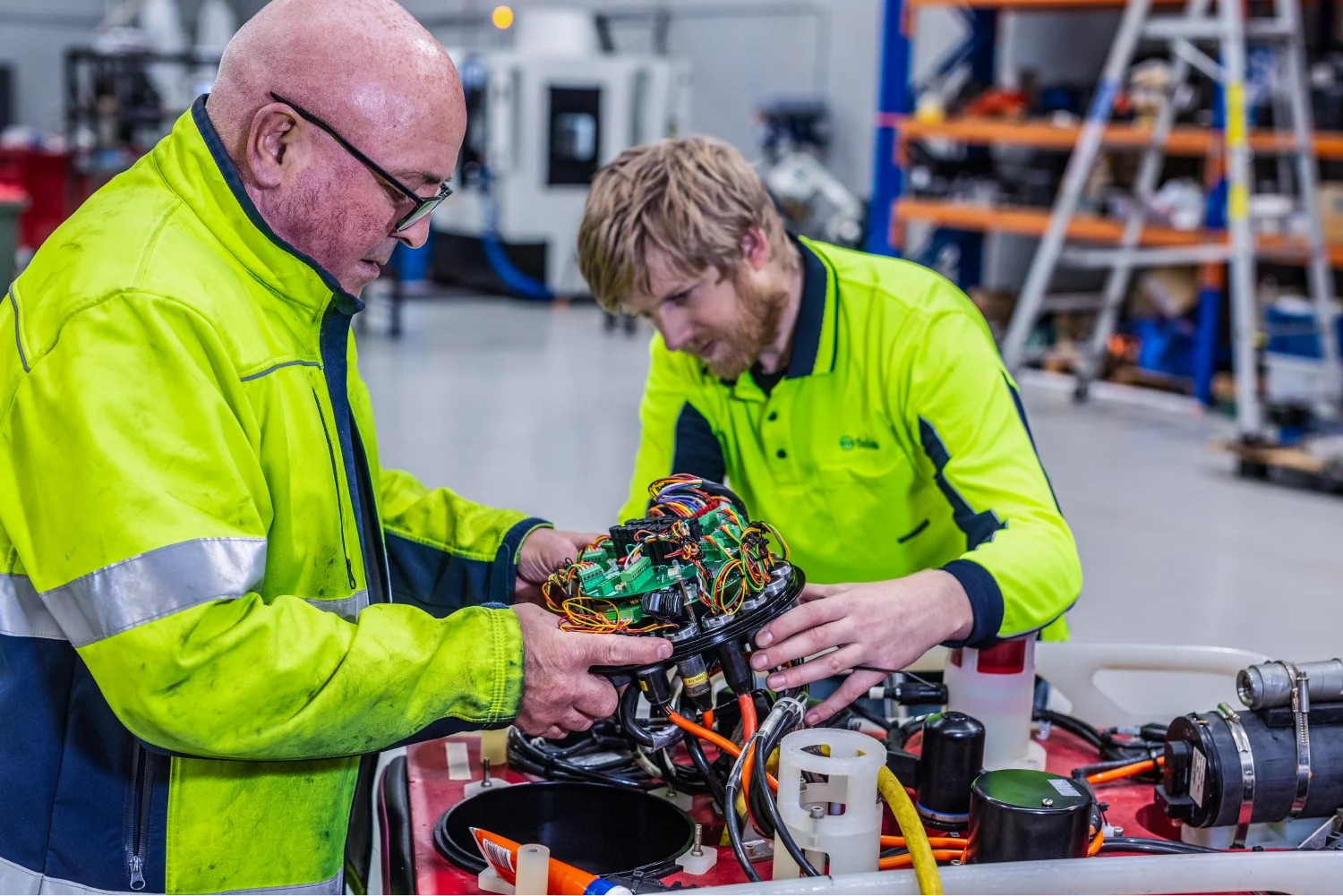
Speak with a Thinglab additive specialist about integrating 3D printing into your design studio.
Free consultation
Free demo
Ongoing support
Talk to an expert today, just call 03 7018 2121.
Product design ddditive FAQs
Common questions from product designers transitioning to industrial 3D printing.
While traditional FDM is anisotropic (weaker in the Z-axis), our SLA (Form 4) and SLS (Fuse 1+) technologies produce isotropic parts that very closely match the mechanical properties of injection-molded plastics like ABS or Nylon. In functional testing, our engineering resins often exceed the performance of entry-level molded plastics.
Using a printer like the Formlabs Form 4, most handheld product designs can be printed in under 2 hours, including post-processing. You can have a “production-look” visual prototype in your hands by lunchtime.
Yes. Many of our customers, use 3D printing to manufacture end-use consumer products. For batches of 50–1,000 units, additive manufacturing is often more cost-effective than investing in an injection molding tooling and with a much shorter leadtime.
Absolutely. We provide flexible and customised training to suit your needs and applications. We don’t just set up the hardware; we teach your designers how to optimise their workflow for the specific additive processes.
3D Printers for product design
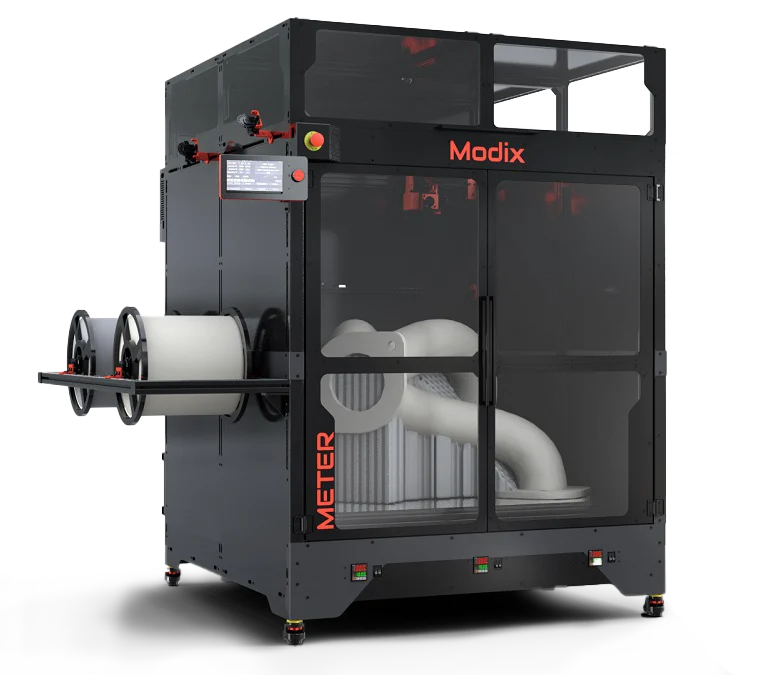
Modix Big-Meter
large-scale 3D printer with a full cubic meter build volume for professionals who think big.
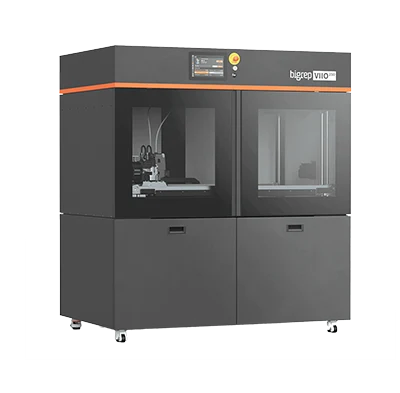
BigRep VIIO 250
Discover the BigRep VIIO 250 3D printer – large-format, high-performance printing. Fast, precise, and built for engineering-grade materials.
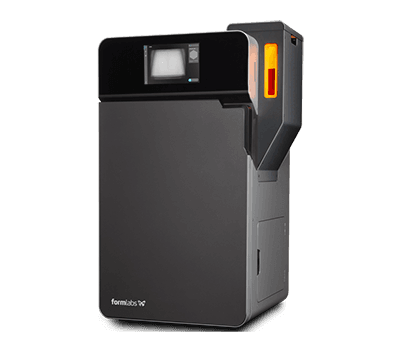
Formlabs Fuse 1+ 30W
Explore the Fuse 1+ 30W 3D high-speed SLS technology. Ideal for engineers in aerospace, automotive, and manufacturing.
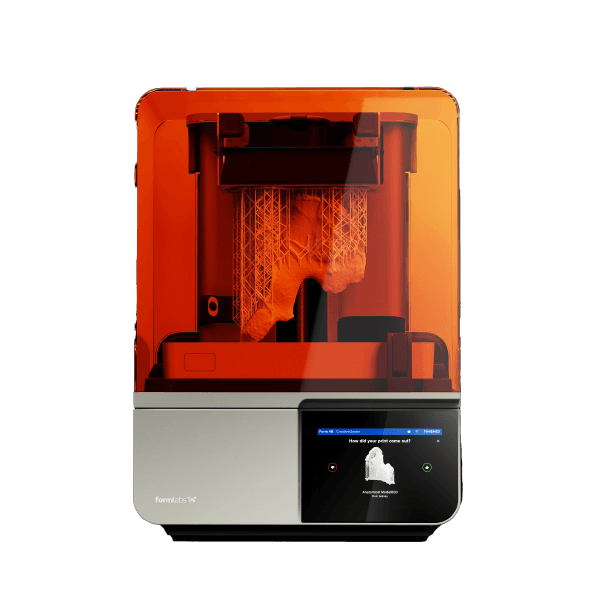
Formlabs Form 4
Formlabs Form 4 3D printer delivers industrial-grade quality products in-house, within hours. Using a variety of high-performance materials.
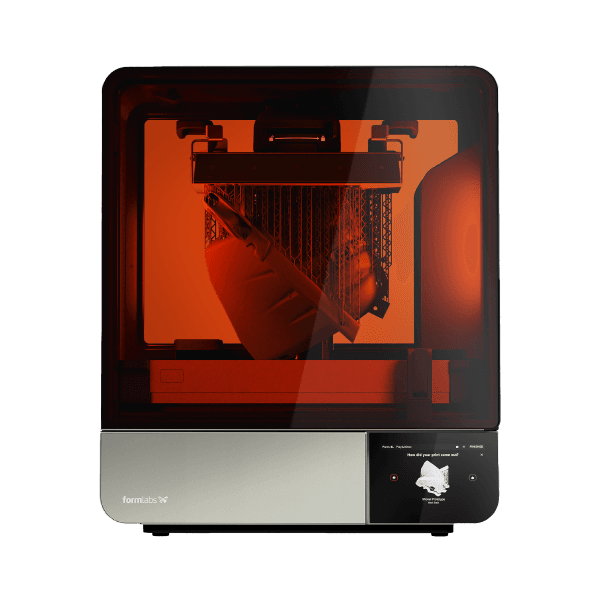
Formlabs Form 4L
Formlabs Form 4L is a blazing fast masked SLA 3D printer with industry-leading materials library and a reliable, accurate print engine.
Part of the Thinglab Ecosystem
Looking for precision scanning or motion tracking?